
5 Benefits of Using a Storage Water Heater
July 11, 2025
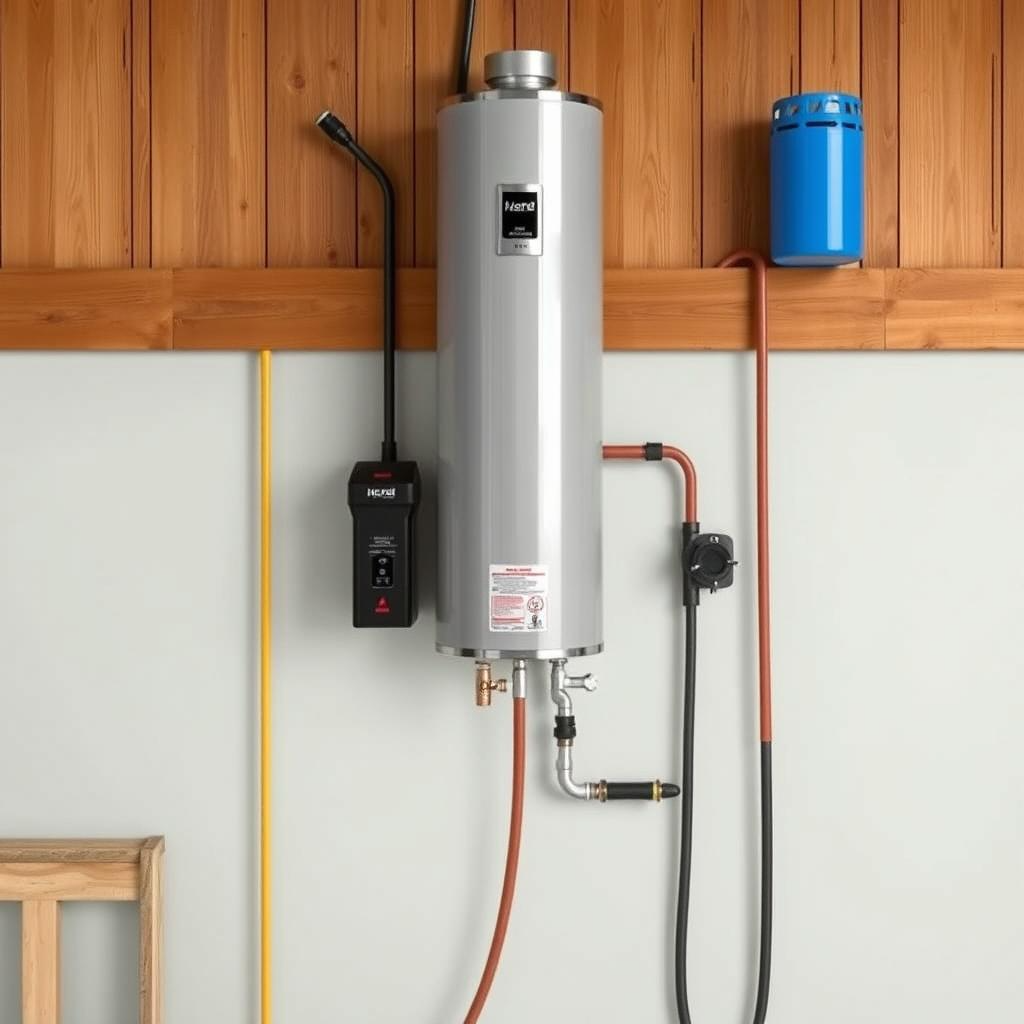
5 Benefits of Using a Storage Water Heater
In today’s modern world, access to hot water is a necessity for both residential and commercial spaces. Whether it’s for cooking, cleaning, or personal hygiene, having a reliable source of hot water can significantly improve comfort and efficiency. Among the various types of water heating systems available, storage water heaters have emerged as a popular choice due to their simplicity, efficiency, and cost-effectiveness. In this article, we will explore the five key benefits of using a storage water heater, whether for your house or commercial establishment. We will also include some valuable insights, FAQs, and a comparison table to help you make an informed decision.
What is a Storage Water Heater?
Before diving into the benefits, let’s briefly understand what a storage water heater is. A storage water heater is a type of water heating system that preheats and stores water in an insulated tank. This allows for constant availability of hot water whenever needed. Storage water heaters are available in various sizes and can be fueled by electricity, natural gas, or propane, making them suitable for both residential and commercial use.
Benefits of Using a Storage Water Heater
1. Cost-Effective and Energy Efficient
One of the most significant advantages of a storage water heater is its cost-effectiveness. Compared to tankless water heaters, storage water heaters are generally more affordable to purchase and install. Additionally, modern storage water heaters are designed with energy efficiency in mind, featuring advanced insulation and smart controls that minimize heat loss and reduce energy consumption.
| Feature | Storage Water Heater | Tankless Water Heater |
|---|---|---|
| Initial Cost | Lower | Higher |
| Installation Cost | Lower | Higher |
| Energy Efficiency | High (with modern models) | Very High |
| Maintenance | Low | Moderate to High |
2. Consistent Hot Water Supply
Storage water heaters are designed to provide a consistent supply of hot water throughout the day. Since the water is preheated and stored in a tank, you don’t have to wait for the water to heat up every time you need it. This makes them ideal for households with multiple bathrooms or for commercial spaces like hotels, restaurants, and gyms, where hot water demand is high.
3. Simple Installation and Maintenance
The installation process for storage water heaters is relatively straightforward compared to tankless systems. They can be easily integrated into existing plumbing systems, reducing the complexity and time required for setup. Additionally, storage water heaters have fewer components, which means they are easier to maintain and repair. Regular maintenance tasks, such as checking the temperature-pressure relief valve and inspecting the anode rod, can be done by homeowners or facility managers themselves.
4. Long-Term Reliability
Storage water heaters are known for their durability and long lifespan. On average, a well-maintained storage water heater can last for 10 to 15 years, depending on usage and water quality. While tankless water heaters may have a longer lifespan, their higher upfront cost and complex maintenance requirements make storage water heaters a more practical choice for many users.
5. Versatility in Usage
Storage water heaters are versatile and can be used for both residential and commercial applications. For households, they provide reliable hot water for daily needs, while for businesses, they can support high-demand operations such as dishwashing, laundry, and employee facilities. They are also compatible with various energy sources, including solar, making them a sustainable option for eco-conscious users.
FAQs About Storage Water Heaters
1. What is the difference between a storage water heater and a tankless water heater?
A storage water heater stores preheated water in a tank, while a tankless water heater heats water on demand as it flows through the unit. Storage water heaters are generally more affordable and easier to install, while tankless models offer higher energy efficiency and longer lifespan.
2. How much space does a storage water heater require?
The space required depends on the size of the tank. Residential storage water heaters typically range from 30 to 80 gallons and are about the size of a large refrigerator. Commercial models can be much larger, depending on the hot water needs of the business.
3. Can storage water heaters be used with solar energy?
Yes, storage water heaters can be integrated with solar panels to create a solar water heating system. This setup allows you to use the sun’s energy to heat water, reducing your reliance on electricity or gas.
4. How often should I maintain my storage water heater?
Regular maintenance is essential to ensure optimal performance and extend the lifespan of your storage water heater. It’s recommended to check the temperature-pressure relief valve, inspect the anode rod, and drain sediment from the tank at least once a year.
5. Are storage water heaters energy efficient?
Modern storage water heaters are designed to be energy efficient, with features like advanced insulation and smart controls. However, their efficiency may vary depending on usage patterns and the type of fuel used.
Energy-Saving Tips for Storage Water Heater Users
- Lower the Temperature: Set your water heater to 120°F (49°C) to save energy while still ensuring water is hot enough for most uses.
- Use a Timer: If your storage water heater is electric, consider installing a timer to turn it off when you’re not home or during off-peak hours.
- Upgrade to a High-Efficiency Model: If your current water heater is old, replace it with a high-efficiency model to reduce energy consumption and lower your utility bills.
Conclusion
Storage water heaters offer a combination of cost-effectiveness, reliability, and versatility, making them an excellent choice for both residential and commercial applications. Whether you’re looking to upgrade your home’s water heating system or support the operations of your business, a storage water heater is a practical and efficient solution. By understanding its benefits and proper maintenance, you can enjoy consistent hot water supply while minimizing energy costs.