
5 Essential Features of a Quality Water Pump
July 11, 2025
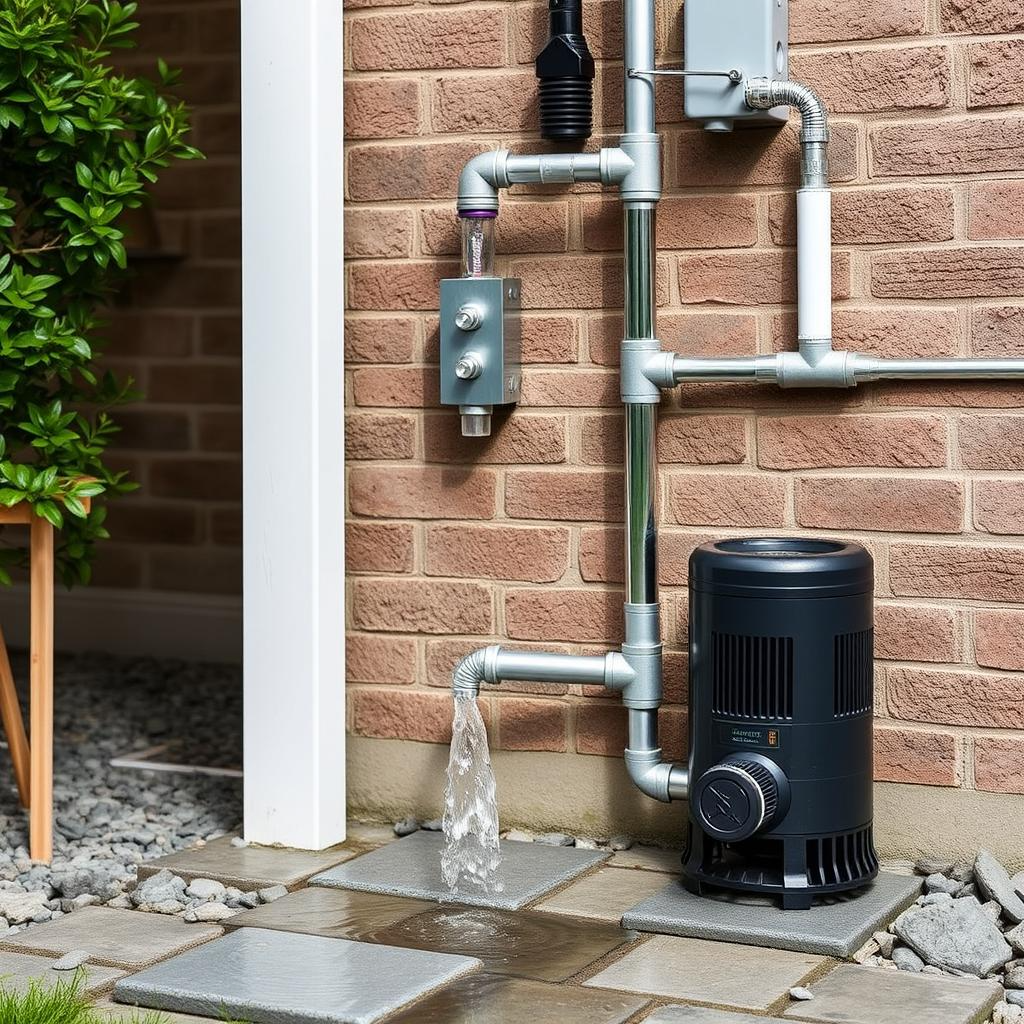
5 Essential Features of a Quality Water Pump
Water pumps are an integral part of modern life, serving as the backbone for water supply systems in both residential and commercial settings. Whether you're managing a household or a large business, a reliable water pump ensures that water is distributed efficiently and consistently. However, not all water pumps are created equal. To make an informed decision, it’s crucial to understand the essential features that define a high-quality water pump. In this article, we will explore these features in detail, providing you with a comprehensive guide to selecting the best house water pump or commercial water pump for your needs.
Understanding the Importance of Quality Water Pumps
Before diving into the features, it’s important to understand why a quality water pump matters. A water pump is responsible for transferring water from a source (such as a well, tank, or municipal supply) to where it’s needed most—whether that’s your kitchen sink, a irrigation system, or a large-scale industrial process. A subpar pump can lead to inefficiencies, increased energy costs, and even premature failure, which can disrupt daily operations and lead to costly repairs.
As the saying goes:
"A good water pump is not just about moving water; it's about reliability, efficiency, and durability. Invest in quality, and you invest in peace of mind."
This quote encapsulates the essence of why choosing the right water pump is so critical.
1. Sufficient Water Pressure and Flow Rate
One of the most important features of a quality water pump is its ability to deliver adequate water pressure and flow rate. These two metrics are often confused but are distinct:
- Water Pressure (PSI): Measured in pounds per square inch (PSI), this refers to the force with which water is pushed through the system. Higher PSI is typically required for applications where water needs to be lifted to a significant height or pushed through long pipes.
- Flow Rate (GPM): Measured in gallons per minute (GPM), this indicates how much water the pump can move in a given time. A higher GPM is essential for applications where large volumes of water are needed, such as irrigation or industrial processes.
For a house water pump, a flow rate of 10-20 GPM and a pressure of 40-60 PSI is often sufficient. However, for a commercial water pump, the requirements can be much higher, depending on the scale of the operation.
| Application | Required Flow Rate (GPM) | Required Pressure (PSI) |
|---|---|---|
| Residential (House) | 10-20 | 40-60 |
| Commercial (Light) | 20-50 | 60-80 |
| Commercial (Heavy) | 50+ | 80+ |
When selecting a pump, ensure that it meets or exceeds the specific demands of your system.
2. Durable Build and Material Quality
A quality water pump is built to last, and this starts with the materials used in its construction. Pumps are typically made from metals (such as stainless steel or cast iron) or thermoplastics. Each material has its own advantages:
- Stainless Steel: Corrosion-resistant and ideal for harsh environments, stainless steel pumps are a popular choice for both residential and commercial use.
- Cast Iron: Durable and cost-effective, cast iron pumps are commonly used in residential applications but may not be as long-lasting in highly corrosive environments.
- Thermoplastic: Lightweight and resistant to chemicals, thermoplastic pumps are often used in industrial settings where corrosion is a significant concern.
In addition to the material, the overall build quality of the pump matters. Look for pumps with robust construction, tight seals, and minimal moving parts to reduce the risk of mechanical failure.
3. High Energy Efficiency
Energy efficiency is another critical feature of a quality water pump. Pumps are often in operation for extended periods, and an inefficient model can significantly increase your energy bills over time. To ensure energy efficiency, consider the following:
- Motor Efficiency: Look for pumps with high-efficiency motors, which are designed to minimize energy consumption while maintaining performance.
- Variable Speed Drives: Some pumps come with variable speed drives, which allow the pump to adjust its output based on demand. This feature can significantly reduce energy usage in applications with fluctuating water needs.
In addition to energy efficiency, consider the pump’s power source. Most water pumps are electric, but some models are available in solar-powered or diesel-powered options, depending on your specific needs.
4. Low Noise Operation
Noise can be a significant concern, especially for house water pumps that are often located near living spaces. A quality water pump should operate quietly, minimizing disruptions to daily life. When selecting a pump, look for models with noise-reducing features such as:
- Submersible Designs: Submersible pumps are generally quieter than surface-mounted models because they operate underwater, reducing noise levels.
- Sound-Dampening Materials: Some pumps are equipped with sound-dampening materials or enclosures to minimize vibrations and noise.
| Pump Type | Typical Noise Level (dB) |
|---|---|
| Submersible Pump | 40-50 |
| Jet Pump | 50-60 |
| Centrifugal Pump | 60-70 |
For residential use, a submersible pump is often the best choice for low noise operation.
5. Ease of Maintenance and Repair
Finally, a quality water pump should be easy to maintain and repair. This ensures that any issues can be addressed quickly, minimizing downtime and extending the pump’s lifespan. Look for pumps with the following features:
- Accessible Components: Pumps with easily accessible components simplify maintenance and repair processes.
- Replaceable Parts: A pump with replaceable parts allows you to address wear and tear without needing to replace the entire unit.
- Warranty and Support: A reputable manufacturer will offer a comprehensive warranty and dedicated customer support, providing peace of mind and assistance when needed.
How to Choose Between a House Water Pump and a Commercial Water Pump
When selecting a water pump, it’s essential to consider the scale of your needs. A house water pump is designed for residential use, while a commercial water pump is built to handle the demands of a business or large-scale operation. Here are some key considerations for each:
Residential (House Water Pump)
- Key Features: Compact size, low noise operation, and energy efficiency.
- Ideal For: Single-family homes, small gardens, and light irrigation.
- Tips for Selection:
- Choose a pump with a flow rate that matches your household’s water usage.
- Prioritize quiet operation if the pump will be located near living areas.
Commercial Water Pump
- Key Features: High flow rate, durability, and scalability.
- Ideal For: Large businesses, industrial processes, and municipal water supply systems.
- Tips for Selection:
- Select a pump with a flow rate and pressure that can handle peak demand.
- Consider the pump’s material and build quality to ensure it can withstand heavy use.
FAQs About Water Pumps
1. What is the typical lifespan of a water pump?
A well-maintained water pump can last anywhere from 8 to 15 years, depending on usage and conditions.
2. How do I know when my water pump needs to be replaced?
Signs of needing a new pump include reduced water pressure, increased noise, and higher energy bills.
3. Can I install a water pump myself?
While it’s possible to install a water pump yourself, it’s often recommended to hire a professional to ensure proper installation and functionality.
4. What is the difference between a submersible pump and a jet pump?
A submersible pump is fully submerged in water, while a jet pump sits above ground and uses suction to draw water.
5. How do I maintain my water pump?
Regular maintenance includes checking for leaks, cleaning the intake screen, and ensuring the pump is properly primed.
Final Thoughts
A quality water pump is more than just a piece of equipment; it’s a long-term investment in the functionality and efficiency of your water supply system. By focusing on essential features such as water pressure, flow rate, build quality, energy efficiency, and ease of maintenance, you can make an informed decision that meets your specific needs. Whether you’re outfitting your home with a reliable house water pump or equipping your business with a powerful commercial water pump, the right choice will provide years of dependable service.