
What Is a Storage Water Heater and How Does It Work?
July 11, 2025
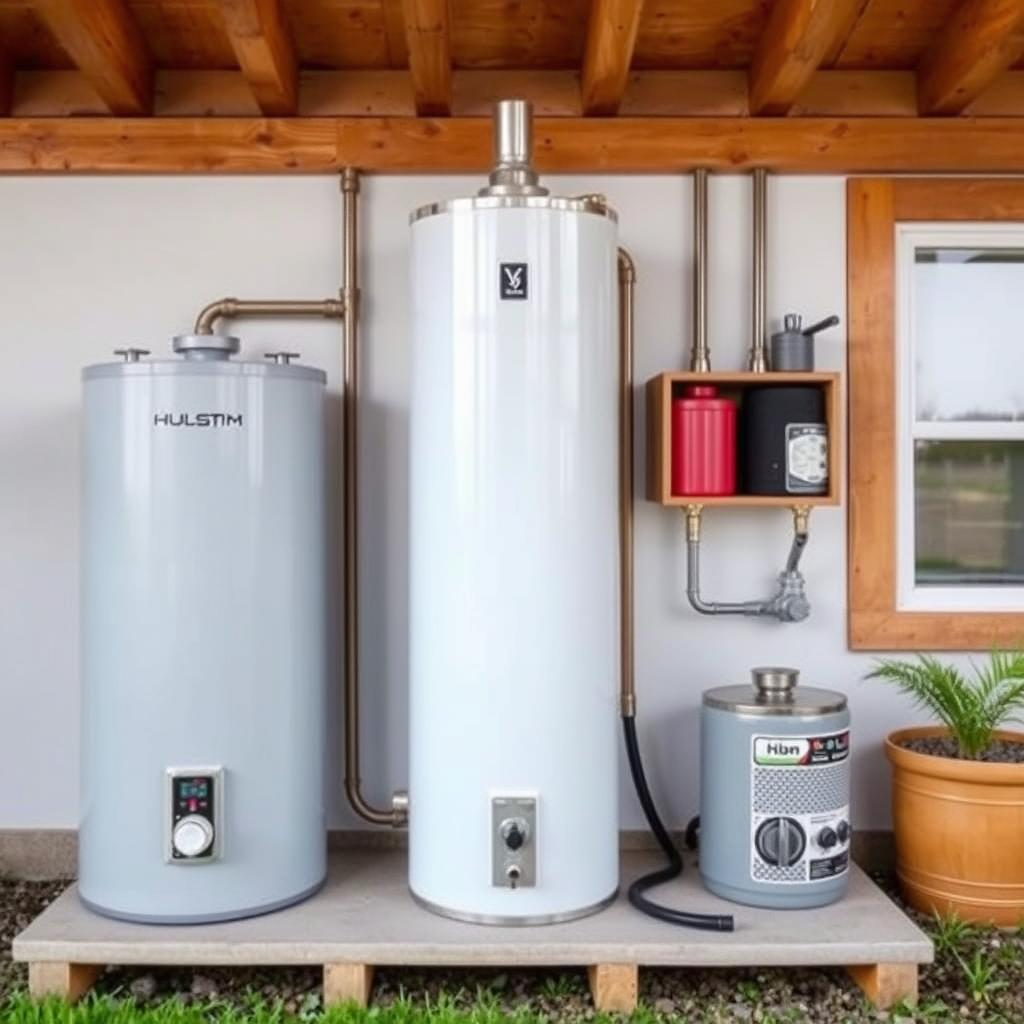
What Is a Storage Water Heater and How Does It Work?
When it comes to maintaining comfort in our homes and businesses, few appliances play as crucial a role as storage water heaters. These systems are essential for delivering hot water for everything from showers and dishwashing to heating in commercial spaces. In this article, we're going to explore what a storage water heater is, how it works, the different types available—including house storage water heaters and commercial storage water heaters—and why they might be a great fit for our needs.
Understanding Storage Water Heaters
A storage water heater, also known as a tank water heater, is an appliance that stores a certain volume of hot water for immediate use. It maintains a reservoir of heated water, making it readily available when we need it. We can find these heaters in various sizes, capacities, and technologies, each of which fulfills different hot water demands.
How Do Storage Water Heaters Work?
At the core of every storage water heater is a simple process that involves three main components: the tank, the heating element, and the thermostat. Here’s how it works:
- Filling the Tank: Cold water enters the tank through a pipe situated at the bottom.
- Heating: The heating element—be it electric, gas, or propane—activates to warm the water. The thermostat detects the temperature and manages the heating process.
- Hot Water Distribution: Once the water reaches the desired temperature, it sits in the tank until we turn on a hot water fixture—in which case, hot water rises to the top and travels through a separate outlet pipe for use.
While it sounds straightforward, several factors can affect how effectively our storage water heaters operate, including tank insulation, sensor accuracy, and heater type (electric vs. gas).
Types of Storage Water Heaters
There are two primary categories of storage water heaters: house storage water heaters and commercial storage water heaters. Let’s take a closer look at these types.
| Type of Storage Water Heater | Characteristics | Ideal Use Case |
|---|---|---|
| House Storage Water Heater | Smaller capacity (20-80 gallons), typically electric. Well-insulated, designed for residential use. | Ideal for family households, small apartments. |
| Commercial Storage Water Heater | Higher capacity (up to several hundred gallons), gas or electric options. Designed for heavy usage. | Perfect for restaurants, hotels, and industrial use. |
Both types have their specific applications, and selecting the right one depends on our individual or business needs, including the demand for hot water, available energy sources, and budget constraints.
Advantages of Storage Water Heaters
When considering the advantages of storage water heaters, we can highlight the following:
- Instant Hot Water: We always have access to hot water when needed, as the heater is continuously stocked with pre-warmed water.
- Cost-Effective: Generally, storage water heaters are more affordable to purchase and install compared to other boiler types, especially in homes.
- Simple Operation: The mechanics of a storage water heater are straightforward, giving us confidence in maintenance and troubleshooting.
However, they come with some drawbacks, particularly regarding energy efficiency and recovery rate, especially in larger commercial setups.
Important Considerations
When deciding on a storage water heater, we need to keep the following factors in mind:
- Capacity: Assess how much hot water we actually need based on peak usage times.
- Energy Source: Do we prefer electric, gas, or propane? Each has varying costs and efficiency levels.
- Installation Space: Ensure we have sufficient room for the size of the tank selected.
- Budget: Factor in not just purchasing cost, but installation and maintenance expenses over time.
The Future of Storage Water Heating
As technology progresses, we are seeing advances in the efficiency and design of storage water heaters. Many manufacturers are now incorporating advanced insulation materials, solar capabilities, and smart thermostats that integrate with home automation systems.
"Water heaters have transformed from simple utility devices to highly engineered systems that optimize performance and energy consumption."
FAQs
1. How long does a storage water heater last?
Most storage water heaters have a lifespan of 8 to 12 years, but this can vary based on usage and maintenance.
2. Can I install a storage water heater myself?
While some handy individuals may attempt DIY installation, we highly recommend hiring a professional to ensure safety and code compliance.
3. What’s the average cost of a storage water heater?
The price can vary widely based on capacity and type, ranging from $300 to $2,000, not including installation.
4. Are storage water heaters energy-efficient?
While they are generally less energy-efficient than tankless systems, choosing models with good insulation and high energy ratings can help optimize their performance.
5. How do I maintain my storage water heater?
Regular maintenance includes flushing the tank annually to remove sediment buildup and checking the anode rod every few years.
Conclusion
In summary, storage water heaters play a versatile role in heating water for our homes and commercial operations. With their straightforward design and usability, they remain a popular choice for many. When assessing our needs, it’s crucial to consider the size, energy source, and specific usage patterns to find the best fit. As technology continues to evolve, we can expect even greater efficiency and options for storage water heaters, enhancing our hot water experience even further.